
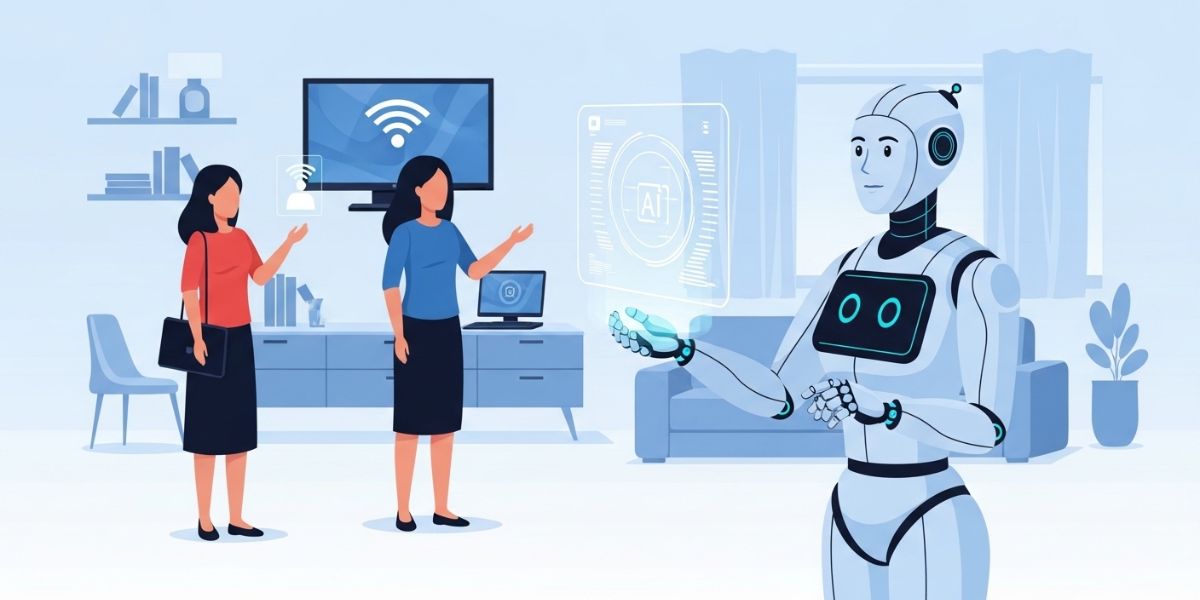
Artificial intelligence and robotics are transforming how people interact with technology in homes, workplaces, and healthcare systems. The concept of ponas robotas represents the next stage of personal robotics, where machines operate as intelligent assistants rather than simple automated devices. These systems combine advanced technologies such as artificial intelligence, machine learning, computer vision, sensors, and Internet of Things connectivity to perform complex tasks while adapting to human behavior. As smart homes, automation platforms, and AI-driven ecosystems expand globally, ponas robotas is emerging as a powerful concept that illustrates how personal robots can simplify daily life, improve productivity, and reshape the future relationship between humans and machines.
What Is Ponas Robotas?
The term ponas robotas typically describes a highly intelligent personal robot designed to assist humans with everyday tasks through autonomous decision-making and interactive communication. Unlike traditional industrial robots that perform repetitive manufacturing tasks, these robots focus on human-centered assistance, adaptive learning, and real-world interaction.
Modern ponas robotas systems rely on advanced computing architectures that process sensor data, analyze patterns, and respond to user commands in real time. By integrating AI algorithms, natural language processing, and smart connectivity, these robots function as physical extensions of digital assistants.
Core Characteristics of Ponas Robotas
A typical Ponas robotas system includes several technological capabilities that enable seamless interaction with humans and environments.
- Human-robot interaction through voice recognition and conversational AI
- Autonomous navigation using sensors and spatial mapping technologies
- Machine learning algorithms that improve performance over time
- Integration with smart home ecosystems and connected devices
These characteristics allow personal robots to operate in dynamic environments while continuously adapting to the user’s needs and routines.
Evolution of Personal Robotics
Its development reflects decades of innovation in robotics engineering, artificial intelligence, and computational hardware. Early robots focused primarily on industrial automation, while modern systems emphasize human collaboration and intelligent assistance.
| Robotics Era | Primary Focus | Key Technologies | Typical Applications |
| Industrial Robotics | Automated manufacturing | Mechanical actuators, programmable controllers | Assembly lines, automotive production |
| Intelligent Robotics | AI integration | Sensors, computer vision, and machine learning | Logistics, warehouse automation |
| Personal Robotics | Human assistance | Voice recognition, IoT connectivity, navigation systems | Home service robots, social robots |
| Autonomous Robotics | Advanced decision systems | Deep learning, edge computing, predictive analytics | Autonomous vehicles, AI companions |
The concept of ponas robotas belongs primarily to the personal robotics era, where machines interact directly with people instead of operating in isolated industrial environments.
Technologies That Power Ponas Robotas
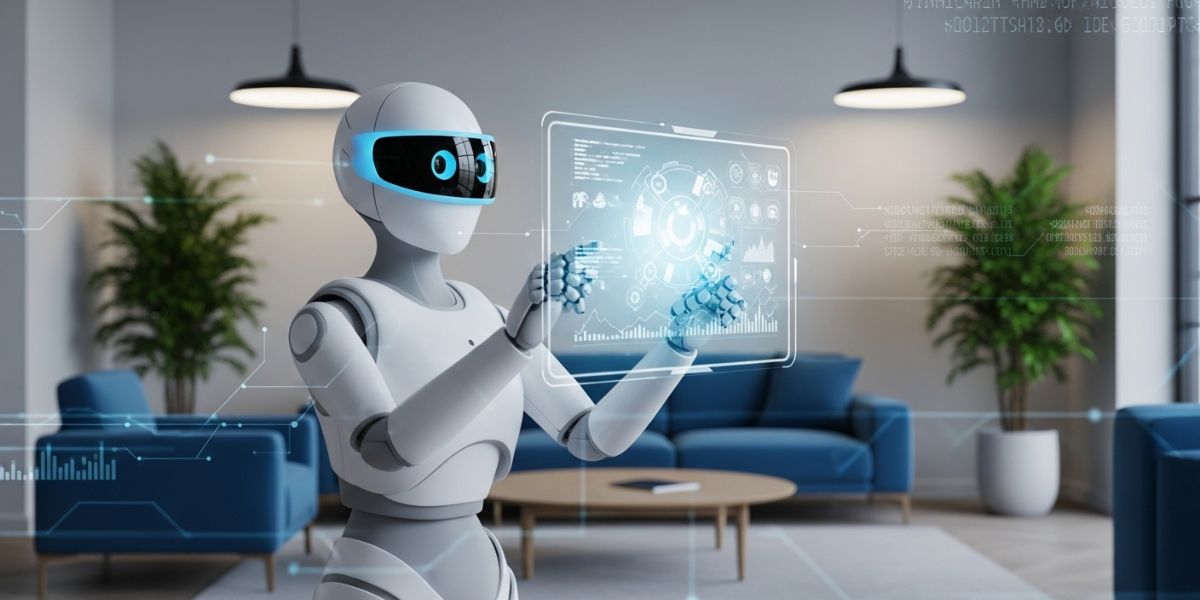
Several advanced technologies work together to enable the capabilities of modern personal robots. These components create intelligent systems capable of perception, reasoning, and physical interaction.
Artificial Intelligence and Machine Learning
Artificial intelligence acts as the central intelligence layer within Ponas Robotas systems. Machine learning algorithms analyze data collected from sensors and user interactions to improve performance over time. This learning capability enables robots to recognize patterns, predict user needs, and automate complex routines.
Natural language processing further enhances communication by allowing users to interact with robots through voice commands and conversational dialogue. AI platforms similar to digital assistants demonstrate how machines can interpret context and respond intelligently.
Sensor Technology and Environmental Awareness
Sensors enable robots to perceive and interpret their surroundings. Without accurate sensory data, autonomous movement and safe interaction would be impossible.
| Sensor Type | Function | Example Use |
| Vision Cameras | Object detection and recognition | Identifying furniture or obstacles |
| Motion Sensors | Detect movement and activity | Security monitoring |
| Depth Sensors | Spatial awareness | Navigating rooms safely |
| Touch Sensors | Physical interaction feedback | Handling objects carefully |
| Environmental Sensors | Temperature, humidity, and air quality detection | Smart home monitoring |
By combining data from multiple sensors, Ponas Robotas Systems builds detailed environmental maps that guide navigation and decision-making.
Smart Connectivity and IoT Integration
Connectivity plays a critical role in enabling ponas robotas to operate within digital ecosystems. These robots connect with Internet of Things devices, cloud computing services, and smart home platforms to coordinate tasks across multiple systems.
Connected robots may control lighting systems, adjust thermostats, monitor security cameras, and communicate with appliances. This integration transforms personal robots into central hubs within intelligent living environments.
Human-Robot Collaboration and Co-Working
Modern Ponas Robotas are not just assistants; they can actively collaborate with humans in professional or creative environments. Through adaptive learning and task prediction, these robots can anticipate user needs, suggest workflow optimizations, and even co-create content in offices, laboratories, or design studios. This makes them valuable partners in productivity, innovation, and problem-solving.
Real-World Applications of Ponas Robotas
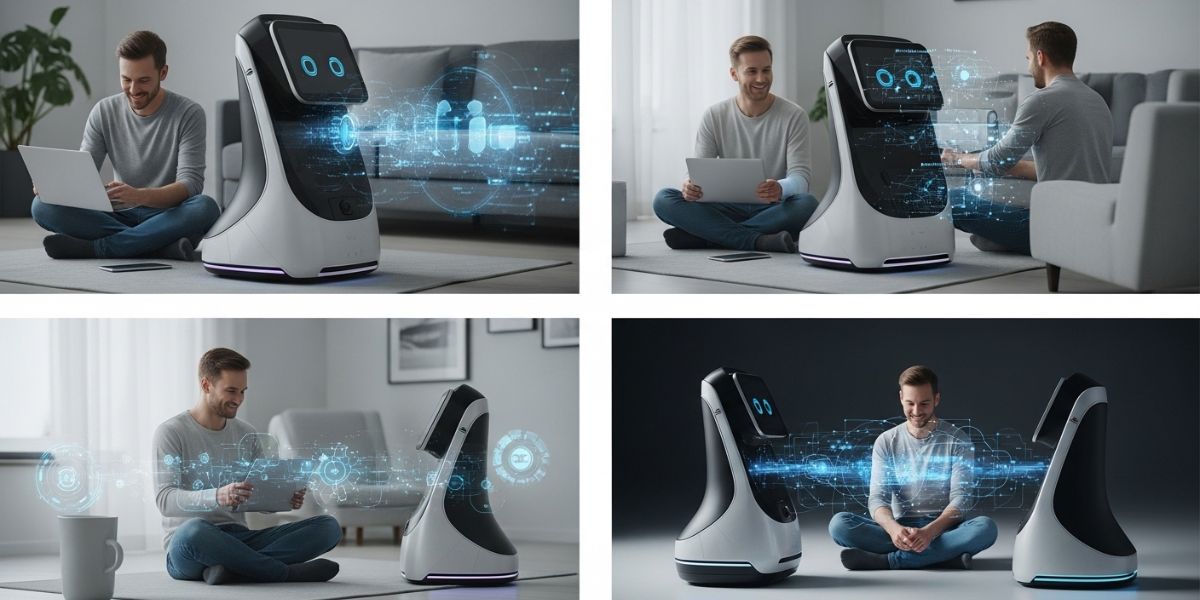
Although the idea of advanced personal robots once seemed futuristic, many real-world applications already demonstrate the practical potential of ponas robotas technology.
Smart Home Automation
Personal robots increasingly support smart home management by coordinating multiple connected devices and automating household routines. These robots can manage cleaning schedules, monitor home security, and provide daily reminders for important tasks.
Healthcare and Elderly Assistance
Healthcare organizations and researchers are exploring robotic assistants to support aging populations and medical professionals. Robots equipped with monitoring systems can track patient health data, provide medication reminders, and detect emergencies such as falls.
Workplace and Office Productivity
In professional environments, robots can streamline operational workflows by managing schedules, delivering documents, and assisting with customer interactions. Intelligent automation reduces administrative workload while allowing employees to focus on higher-value tasks.
Education and Learning Support
Educational institutions are also experimenting with robotic teaching assistants capable of delivering personalized learning experiences. AI-driven robots can analyze student progress and adapt educational content according to individual learning speeds.
Types of Robots Similar to Ponas Robotas
Different categories of robots perform tasks similar to those associated with ponas robotas. Each type specializes in particular forms of human assistance.
| Robot Category | Primary Role | Example Tasks |
| Home Service Robots | Household support | Cleaning, organizing, smart device control |
| Social Robots | Communication and companionship | Conversation, emotional interaction |
| Security Robots | Surveillance and monitoring | Threat detection, alerts |
| Healthcare Robots | Medical support | Patient monitoring, medication assistance |
Despite their specialized roles, these robots share a common objective: improving human productivity and convenience through intelligent automation.
Advantages and Limitations of Ponas Robotas
Personal robots offer substantial benefits for individuals and organizations, yet they also introduce technical and ethical challenges that must be addressed carefully.
| Advantages | Limitations |
| Increased efficiency and automation | High manufacturing and development costs |
| Assistance for elderly and disabled users | Privacy and data security concerns |
| Continuous monitoring and safety features | Dependence on complex technology |
| Enhanced productivity in homes and offices | Limited capabilities in early generations |
Understanding these advantages and limitations helps organizations and consumers evaluate the long-term value of adopting personal robotics technologies.
Ethical and Security Considerations
As artificial intelligence becomes more integrated into robotics systems, ethical considerations play an increasingly important role in technology development. Personal robots collect and process large volumes of data about users, which raises concerns about privacy, surveillance, and cybersecurity risks.
Developers must implement strong encryption protocols, transparent data policies, and responsible AI frameworks to ensure that robots operate safely and ethically. Researchers and policymakers also emphasize the importance of human oversight in autonomous systems to prevent unintended consequences or misuse.
Ethical AI design focuses on fairness, accountability, and transparency so that robotics technology benefits society without compromising fundamental rights or security.
The Future of Ponas Robotas
The future of ponas robotas technology will likely be shaped by breakthroughs in artificial intelligence, edge computing, robotics engineering, and battery efficiency. These advancements will allow robots to operate with greater autonomy while interacting more naturally with humans.
Future robots may feature improved emotional intelligence, enabling them to recognize facial expressions and respond to human emotions more effectively. Advances in mobility systems and lightweight materials could also produce robots capable of navigating complex environments with minimal human supervision.
As production costs decrease and technology becomes more accessible, personal robots may eventually become as common in households as smartphones and smart speakers.
Conclusion
The concept of ponas robotas represents a significant milestone in the evolution of robotics and artificial intelligence. By combining intelligent software systems with advanced hardware capabilities, personal robots can assist humans in managing daily routines, improving productivity, and enhancing quality of life.
Although challenges related to cost, security, and ethics remain important considerations, ongoing innovation in robotics research continues to push the boundaries of what personal robots can achieve. As AI technologies mature and smart ecosystems expand, ponas robotas may become a central component of the modern digital lifestyle, shaping how humans interact with technology for decades to come.
FAQs
What is Ponas Robotas?
Ponas Robotas refers to an intelligent personal robot designed to assist humans with daily tasks using artificial intelligence, sensor technology, and smart automation systems. These robots interact with people, analyze environments, and perform helpful actions in homes, workplaces, and healthcare settings.
How does a Ponas Robotas work?
A Ponas Robotas system combines artificial intelligence, machine learning, computer vision, and multiple sensors to understand its surroundings and respond to user commands. The robot processes data in real time, navigates physical spaces, and connects with smart devices to complete automated tasks.
Where can Ponas Robotas be used?
It can operate in many environments, including smart homes, hospitals, offices, schools, and retail spaces. These robots support cleaning, scheduling, monitoring security systems, assisting elderly individuals, and improving productivity in professional settings.
What technologies power Ponas Robotas?
Several technologies enable Ponas Robotas systems, including artificial intelligence, machine learning algorithms, natural language processing, computer vision, robotics engineering, and Internet of Things connectivity. Together, these technologies enable robots to communicate with users and interact with their surroundings.
Are Ponas Robotas systems already available today?
Early versions of personal robots already exist in the market, especially home service robots and social robots. However, fully advanced Ponas Robotas systems with deep intelligence and emotional interaction are still developing as robotics technology continues to evolve.
Is Ponas Robotas safe to use in homes or workplaces?
Developers design modern personal robots with strong security protocols, encrypted data systems, and regular software updates. When properly configured and maintained, Ponas Robotas systems can operate safely in both residential and professional environments.
What industries benefit the most from Ponas Robotas technology?
Industries such as healthcare, smart home automation, customer service, logistics, and education benefit significantly from personal robotics. These robots help reduce repetitive work, improve efficiency, and assist professionals with complex tasks.
What is the future of Ponas Robotas?
The future of Ponas Robotas technology will likely include more advanced artificial intelligence, improved mobility systems, emotional interaction capabilities, and stronger integration with smart ecosystems. As development costs decrease, personal robots may eventually become common household technology.