
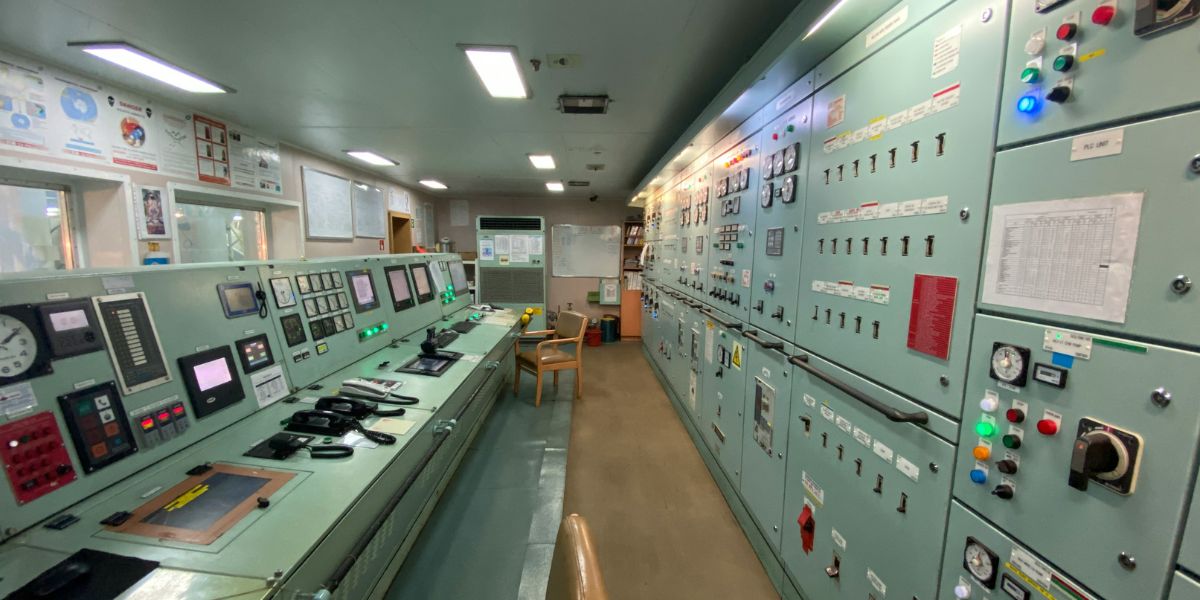
Industrial automation solutions efficiency benefits are transforming modern manufacturing faster than ever, reshaping the way factories operate, make decisions, and deliver products. Companies that embrace smart manufacturing no longer just aim for higher output; they achieve real-time visibility into manufacturing operations, cut costly errors, and scale with confidence. From multi-site production to precision-driven processes, these solutions offer measurable gains that impact every corner of an enterprise.
By integrating automated production systems and leveraging data-driven decision-making in manufacturing, organizations can reduce downtime, optimize resources, and empower employees to focus on value-driven work. In a world where speed, quality, and adaptability define success, these efficiency benefits are no longer optional; they are essential.
What Are Industrial Automation Solutions and Why Do They Matter
Industrial automation solutions are systems designed to automate production, using machines, software, and control technologies to manage automated production systems. In large factories, these solutions handle repetitive tasks, improve precision, and provide real-time visibility into manufacturing operations, ensuring leaders can make timely decisions.
These solutions also integrate predictive maintenance systems and automation-enabled risk reduction, which prevents costly equipment failures. In the US, where manufacturing is highly competitive, smart manufacturing powered by automation ensures sustainable manufacturing through automation while meeting regulatory standards. Companies like General Motors and Boeing rely on automation governance frameworks to standardize operations across plants.
How Industrial Automation Solutions Improve Efficiency at Enterprise Scale
When deployed at scale, industrial automation solutions efficiency benefits multiply. Enterprises can reduce process variability and human error, standardize workflows, and synchronize multiple production sites. Enterprise-wide automation deployment allows businesses to maintain high productivity while scaling operations quickly.
For example, a company can track improving overall equipment effectiveness across several facilities using digital manufacturing operations tools. By combining automation for compliance and traceability with operational dashboards, management gets data-driven decision-making in manufacturing, which directly improves output and reduces downtime. A table below shows the main efficiency gains:
| Efficiency Benefit | Description |
| Faster Production | Shorter cycle times with fewer delays |
| Consistency | Standardized processes across sites |
| Cost Savings | Lower labor and material waste |
| Risk Reduction | Predictable operations with less human error |
| Data Insights | Real-time performance tracking |
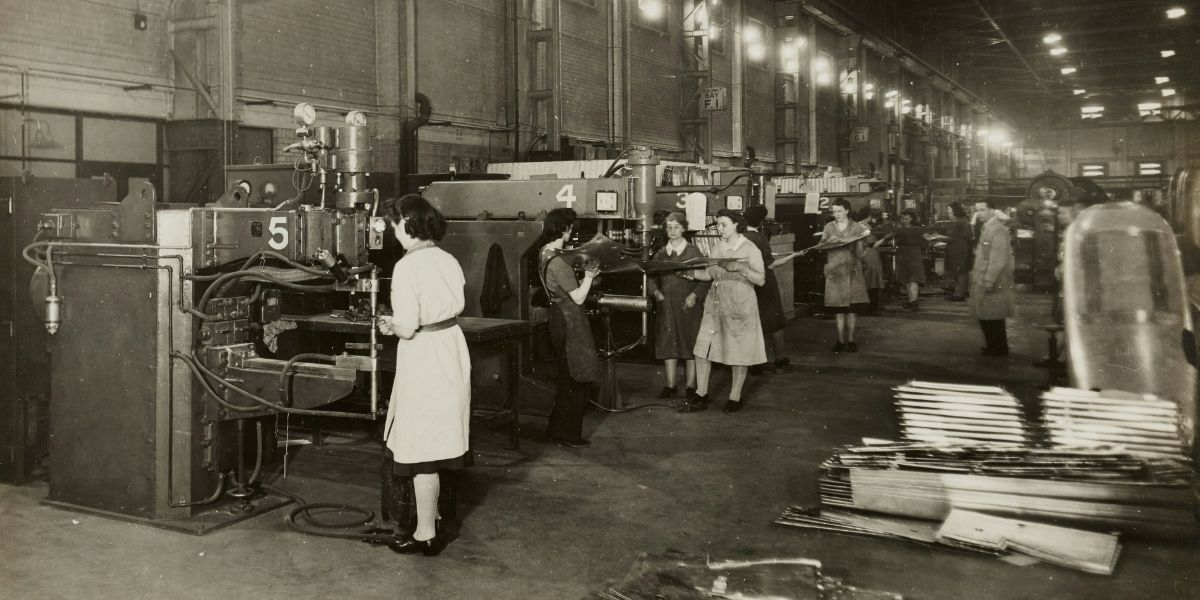
7 Key Efficiency Benefits of Industrial Automation Solutions
Industrial automation solutions efficiency benefits span multiple aspects of manufacturing. First, they improve workforce productivity automation, allowing employees to focus on higher-value work rather than repetitive tasks. Second, automation and cost reduction lower operating costs through optimized resource use. Third, automated quality control ensures products meet exact standards, reducing defects.
Other advantages include scalable automation solutions that grow with business demand, integrated production and maintenance systems that prevent downtime, automation-driven workforce transformation for upskilling, and sustainable manufacturing through automation, which reduces environmental impact. Overall, these solutions drive long-term value creation with automation in every aspect of operations.
How Industrial Automation Transforms Workforce Productivity
Automation does not replace workers; instead, it enhances automation-driven workforce transformation. Employees shift from manual labor to decision-making roles, which improves workforce productivity, automation, and overall engagement. Factories adopting automation governance often retrain staff to work with industrial IoT automation tools, fostering a culture of continuous improvement.
Companies see measurable gains in output when humans and machines collaborate efficiently. For example, line supervisors can monitor digital operations at enterprise scale, make rapid decisions, and address issues before production slows. This integration ensures that managing complex industrial operations becomes easier and more precise.
Enterprise Cost Control and Risk Reduction Through Automation
One of the strongest industrial automation solutions efficiency benefits is cost control. Automated systems reduce errors, energy usage, and material waste, directly impacting the bottom line. Using automation-enabled risk reduction, enterprises can ensure consistent compliance with safety and quality standards.
US manufacturers also rely on automation for compliance and traceability, which simplifies audits and reporting. By implementing automation governance frameworks, firms can manage multiple plants efficiently, reduce operational risk, and improve manufacturing operational excellence. Over time, this creates predictable, measurable savings across large-scale operations.
The Role of Data in Automation-Driven Efficiency Gains
Data is at the core of automation efficiency benefits. With industrial IoT automation, companies gain real-time visibility into manufacturing operations, allowing for faster responses to problems and better resource allocation. Predictive analytics, a component of predictive maintenance systems, helps prevent equipment failures and extends machinery life.
By adopting digital manufacturing operations, managers can achieve data-driven decision-making in manufacturing, track KPIs, and optimize processes. Integrating these insights into enterprise automation strategy ensures that automation investments deliver measurable returns and support automation-enabled risk reduction.
Aligning Manufacturing Strategy With Automation Initiatives
Automation works best when aligned with business goals. Aligning automation with business strategy ensures that technology adoption supports long-term growth. Enterprises that integrate smart manufacturing into their enterprise automation strategy benefit from improved agility, better resource management, and long-term value creation with automation.
Companies must evaluate processes, workforce capabilities, and plant layout before deploying factory automation. Strong automation governance frameworks guide decisions, avoid silos, and ensure improved operational efficiency across multiple sites. For further reading on strategic automation frameworks, check this guide from McKinsey.
Which Organizations Benefit Most From Industrial Automation Solutions
Large-scale manufacturers, especially in automotive, electronics, and pharmaceuticals, gain the most from industrial automation solutions efficiency benefits. Automation in large enterprises allows them to synchronize operations across multiple facilities, implement scalable automation solutions, and maintain consistent output.
Even mid-sized companies adopting automated production systems see advantages. Industries requiring high precision and regulatory compliance benefit from automation for compliance and traceability, and integrated production and maintenance systems, which help sustain quality and efficiency.
Common Barriers to Realizing Full Automation Efficiency Benefits
Despite the advantages, barriers exist. Integration with legacy systems can slow adoption, and workforce resistance may limit impact. Companies must address automation governance issues and ensure staff are trained to handle automation-driven workforce transformation.
Other hurdles include a lack of digital operations at enterprise scale, poor data collection, and unclear KPIs. Organizations that fail to implement enterprise-wide automation deployment often see uneven gains. Proper planning and management are essential to overcome these challenges.
How Enterprises Should Measure the Success of Automation Programs
Measuring automation success goes beyond cost savings. Enterprises track automation efficiency benefits through production uptime, quality metrics, and workforce productivity. KPIs like improving overall equipment effectiveness and automation-enabled risk reduction provide clear insights into return on investment.
Periodic reviews and continuous optimization, aligned with automation governance frameworks, ensure that gains remain consistent. Tools like dashboards and predictive analytics support data-driven decision making in manufacturing, helping enterprises refine operations for sustained growth.
Conclusion: Unlocking Sustainable Value Through Industrial Automation Solutions
Industrial automation solutions efficiency benefits are essential for modern US manufacturers. From cost reduction to automation-driven workforce transformation, these systems provide measurable improvements in productivity, quality, and sustainability. By combining smart manufacturing practices with automation governance, enterprises achieve long-term value creation with automation and maintain a competitive edge.
For manufacturers exploring these solutions, visit GoTechanic to learn more about implementing industrial automation solutions in your facility.
FAQs:
- What are industrial automation solutions efficiency benefits?
These benefits refer to how automation improves productivity, reduces errors, cuts costs, and enhances overall manufacturing efficiency. - How do industrial automation solutions improve workforce productivity?
They allow employees to focus on higher-value tasks while machines handle repetitive work, boosting efficiency and output. - Which industries gain the most from industrial automation solutions efficiency benefits?
Large-scale manufacturing, automotive, electronics, and pharmaceuticals benefit the most due to complex, high-volume operations. - Can industrial automation solutions reduce operational risks?
Yes, automation ensures consistent processes, improves compliance, and prevents human errors, enhancing automation-enabled risk reduction. - How quickly can companies see efficiency gains from automation?
Many enterprises notice improvements in production speed, quality, and cost control within a few months of implementation.