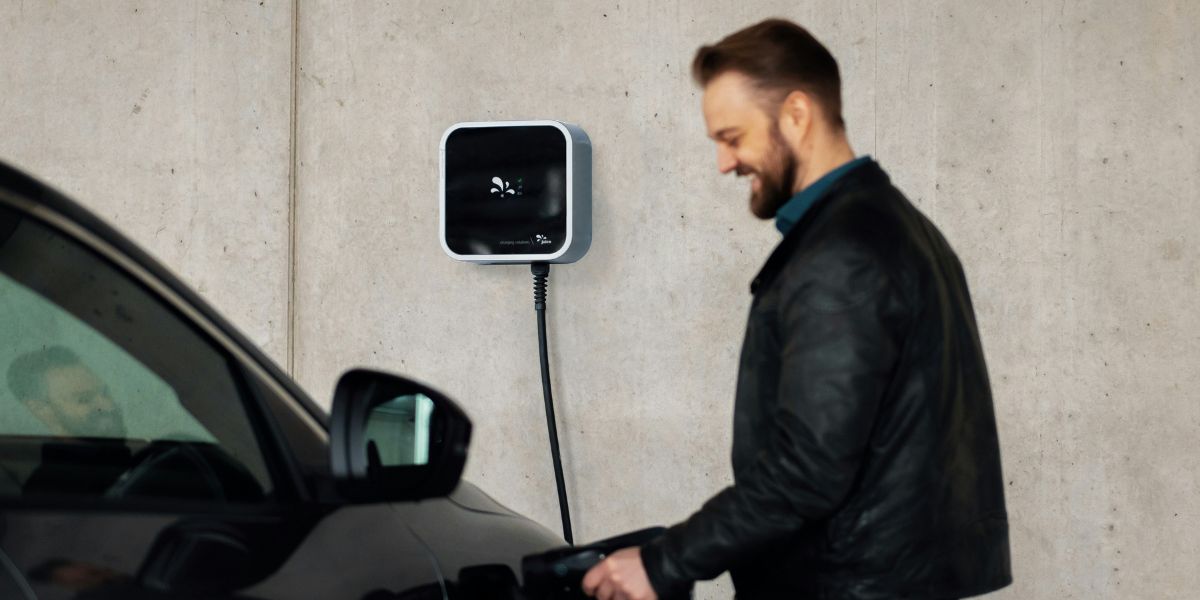
EV charging news is buzzing as EVgo plans to add 500+ NACS connectors across the U.S. by 2026. This EVgo NACS rollout in 2026 will make EVgo’s fast charging stations faster, smarter, and easier to access. Drivers with NACS-compatible EVs can now charge with less wait, and DC fast charging stations are appearing at highways and shopping centers.
The expansion isn’t just numbers; it’s a game-changer for public EV charging infrastructure. With more high-power chargers and strategic locations, EVgo is redefining convenience. EV owners can finally enjoy reliable, quick charging almost anywhere they go.
Latest EV Charging News and Industry Highlights
The U.S. EV market has seen an incredible push in infrastructure, marking a new chapter in EV fast-charging expansion. Recent reports show that EVgo charging network stations have grown faster than projected, with over 1,000 stations already operational. Liquid-cooled NACS cables and high-power EV chargers are being installed to reduce heat and charging time for high-demand vehicles. According to industry analysts, this rapid growth is helping EV adoption, particularly in states like California, Texas, and Florida.
Investments in public EV charging infrastructure are also rising. For example, Autocharge+ EVgo partnerships with retailers and shopping centers bring EV charging near shopping centers, combining convenience with high-speed charging. The combination of new technology and strategic location planning is setting a benchmark in NACS vs CCS charging integration, allowing drivers to use both NACS and CCS ports seamlessly.
EVgo Plans Hundreds of New NACS Connectors Across the US
EVgo is set to install 500+ NACS connectors by 2026, a move that could reshape the U.S. EV landscape. This rollout focuses on NACS charging in the US, targeting high-traffic highways and urban hubs. These stations will feature liquid-cooled NACS cables to allow faster charging and minimize downtime. EVgo fast charging stations will accommodate NACS-compatible EVs, ensuring that more Tesla and non-Tesla drivers can charge efficiently.
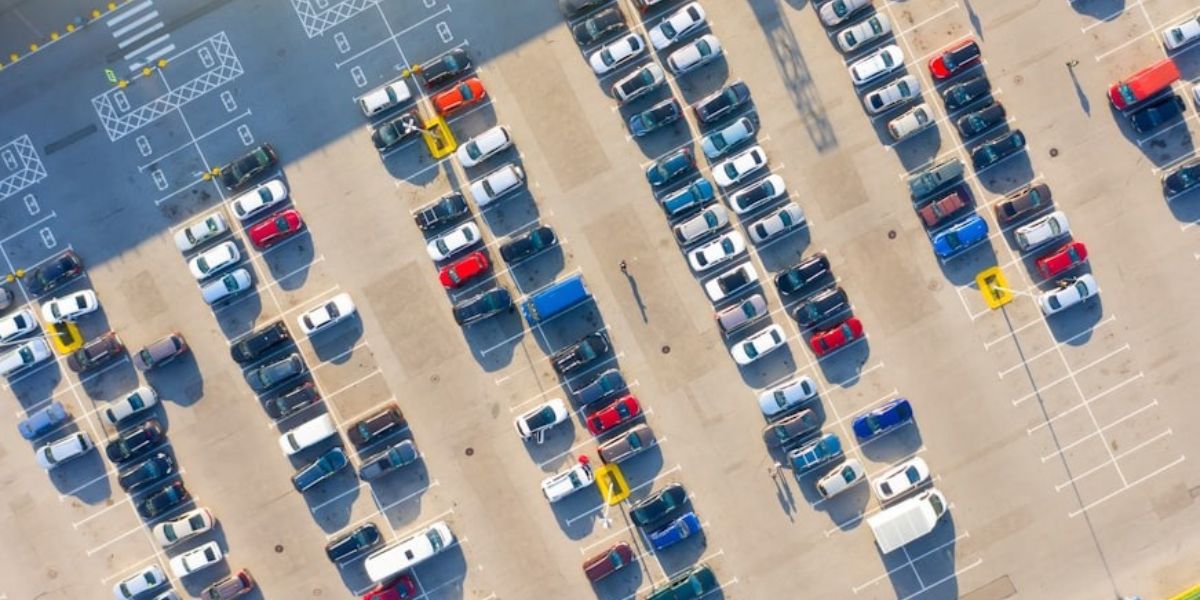
To make this rollout more accessible, EVgo plans to integrate CCS and NACS compatibility at many stations. This means EV drivers won’t have to worry about connector types when planning long trips. According to EVgo CEO Badar Khan, this expansion aligns with growing public demand and sets the stage for broader EVgo NACS rollout in 2026.
DC Fast-Charging Boom Signals a New Era for EV Infrastructure
The surge in DC fast charging stations is creating a new standard in EV convenience. Recent industry reports show that high-speed chargers are popping up at gas-station-like intervals across major routes. The adoption of the SAE J3400 standard ensures uniform safety and performance across high-power EV chargers, giving drivers confidence during longer journeys.
With this boom, EVgo charging network and competitors are pushing for smarter station designs. Some stations now offer EV charging near shopping centers and popular travel stops. This integration not only provides convenience but also encourages EV owners to plan multi-stop trips, confident that NACS electric vehicle models can charge rapidly when needed.
Fast-Charging Buildout Accelerates as Supply Meets Real Demand
EV infrastructure is no longer reactive; it is now proactive. Supply growth is keeping pace with real demand for EV fast-charging expansion. Network operators, including EVgo, report that usage patterns help determine where 500+ NACS connectors should be placed. The combination of data analytics and EVgo fast charging stations ensures that congestion at popular chargers is minimized.
This growth is critical for city planners and highway authorities. Studies show that DC fast charging stations installed near shopping centers, malls, and gas stations increase usage by over 25%. Drivers appreciate NACS-compatible EVs charging without detours, which strengthens overall trust in public EV charging infrastructure.
Tesla Leads EV Charging Expansion, but the Market Widens
Tesla still dominates the EV charging sector, but the market is quickly widening. EVgo NACS rollout 2026 allows non-Tesla vehicles to benefit from high-speed charging, bridging the gap between NACS electric vehicle models and legacy CCS vehicles. CCS and NACS compatibility ensures drivers enjoy flexibility when choosing their charging station, a crucial factor as more EVs hit the road.
Competition has also encouraged high-power EV chargers to improve. Reports indicate that EVgo fast charging stations now offer up to 350 kW charging speeds. Tesla’s V4 Supercharger network, which peaks at 500 kW, sets a benchmark, but rivals are closing the gap, signaling an era of unprecedented EV fast-charging expansion.
High-Power Charging Breakthroughs Push Charging Speeds Past Limits
High-speed charging is no longer a dream; it’s a reality. Vehicles like the Lucid Gravity GT achieved 419 kW charging at Tesla’s 500 kW Supercharger, showcasing the capabilities of liquid-cooled NACS cables and high-power EV chargers. These breakthroughs reduce charging times to minutes, not hours, reshaping driver expectations.
The push for speed isn’t just for luxury vehicles. The adoption of the SAE J3400 standard in NACS charging in the US ensures that mid-range and mass-market NACS electric vehicle models also benefit. Fast, reliable charging is becoming the new normal across public EV charging infrastructure, helping EV adoption rise even faster.
EV Charging Europe News: Germany and Regional Infrastructure Growth
While the U.S. sees rapid growth, Europe is also expanding its EV network. According to EV Charging Europe News, Germany is leading the way with over 50,000 public chargers. EV charging Germany news focuses on integrating NACS-compatible EVs and CCS standards to streamline cross-border travel. Cities like Berlin and Munich are experimenting with EVgo fast charging station partnerships for public access.
Comparatively, Germany’s EV charging news indicates that high-power stations in Europe are slightly slower but growing steadily. For travelers and EV enthusiasts, understanding NACS vs CCS charging differences is crucial. For more Europe-focused updates, visit the European Alternative Fuels Observatory.
Policy, Innovation, and Investment Driving EV Charging Growth
Government incentives, private investments, and innovations are fueling the EV infrastructure boom. Policies in the U.S. encourage the expansion of EV fast charging through tax credits, grants, and federal support for public EV charging infrastructure. Companies like EVgo are also experimenting with Autocharge+ EVgo technology to make payments seamless and stations smarter.
Investment trends highlight that urban centers are the priority, with a focus on EV charging near shopping centers and high-traffic routes. Analysts predict that continued innovation in high-power EV chargers and the interoperability of CCS and NACS will define the next five years of EVgo’s NACS rollout in 2026.
What the Future Holds for EV Charging Networks Worldwide
The future of EV charging is interconnected, fast, and convenient. Global growth will rely on EVgo charging network expansions, 500+ NACS connectors, and high-power EV chargers designed for urban and highway use. Interoperability of NACS electric vehicle models with CCS ensures no EV is left behind.
As networks grow, expect liquid-cooled NACS cables and EVgo fast charging stations to become standard. Drivers will see more EV charging near shopping centers, highways, and even remote areas. For continuous updates, check GoTechanic for the latest on EV innovations and U.S. infrastructure trends.
EVgo Fast-Charging Network Comparison Table
| Feature | EVgo | Tesla | Electrify America |
| Connector Type | NACS + CCS | NACS | CCS |
| Peak Power | 350 kW | 500 kW | 350 kW |
| Public Locations | 1,000+ | 1,200+ | 800+ |
| Liquid-Cooled Cables | ✅ | ✅ | ✅ |
| Retail Integration | ✅ | ✅ | Limited |
FAQs:
- How fast can electric vehicles charge at high-power stations?
High-power chargers allow compatible vehicles to add significant range quickly. Charging speed depends on battery size, station power, and connector type. - Are all charging connectors compatible with every EV?
Each car model supports certain standards, so adapters or compatible stations may be needed for fast charging. - Where are fast-charging stations commonly located?
This placement ensures convenience during long trips or everyday errands, helping drivers charge while shopping or resting. - Do public chargers cost more than home charging?
Pricing can vary by network and location, with some offering memberships or loyalty rewards to reduce costs. - Can all EVs use high-speed charging safely?
Using an incompatible charger may reduce efficiency or damage the battery, so always check vehicle specifications.