
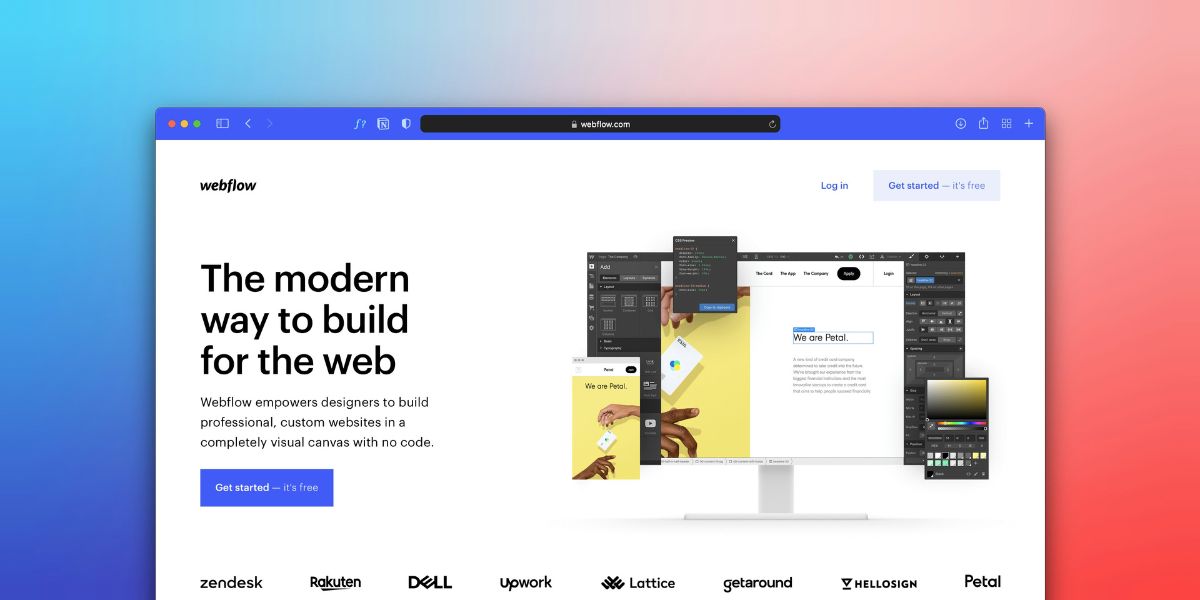
Pxless is changing how digital products are designed, making layouts flexible and smart. Instead of fixed pixels, content adapts naturally across devices, from desktops to smartphones. This Pxless digital tool improves user experience and allows designers to focus on creating smooth, engaging interfaces.
With workflow optimization and cloud-based functionality, pxless helps teams save time and reduce errors. Many modern digital solutions now rely on these features to build scalable, efficient systems. Whether for professionals or students, understanding pxless opens doors to smarter design strategies that truly match user needs.
What Is Pxless?
Pxless is a layout and design strategy that stays away from preset pixel values. Instead, it uses relative measurements. These measurements adjust based on screen size and content needs. The Pxless platform allows layouts to stretch and shrink without breaking.
Many people also view pxless as a digital productivity platform. It works well as a Pxless digital tool inside modern workflows. Because it relies on cloud-based functionality, teams can design once and scale everywhere. This makes pxless reliable for long-term projects.
Why Pxless Matters in Modern Digital Design
Digital products no longer live on one screen. Users switch devices daily. Pxless solves this issue by adapting layouts automatically. This removes guesswork from design decisions. It also improves workflow optimization for teams.
In the USA market, businesses want speed and consistency. Pxless supports digital efficiency tools that reduce redesign costs. It also improves collaboration. Teams can focus on content and experience instead of layout fixes.
Core Principles of Pxless Design
The first principle of pxless is flexibility. Content leads the layout. This improves balance and spacing. It also reduces visual clutter. Users experience cleaner interfaces.
The second principle is adaptability. Pxless supports cross-device compatibility and strong platform integration. This allows designers to build scalable systems. These systems grow with products over time.
Key Benefits of Pxless Layouts
One major advantage of pxless is scalability. Layouts stay stable even as content grows. This improves maintenance and reduces technical debt. These are core Pxless benefits for growing teams.
Another benefit is accessibility. Pxless improves readability and interaction. It supports time-saving digital tools and enhances productivity. Many teams now use Pxless as a Pxless productivity tool.
| Area | Impact of Pxless |
| Scalability | Adapts across all screens |
| Maintenance | Reduces redesign work |
| Accessibility | Improves readability |
| Performance | Stable layout behavior |
Pxless Design and User Experience Impact
A strong Pxless user experience feels natural. Text scales smoothly. Buttons stay usable. Layouts do not shift unexpectedly. This creates trust and comfort.
Users stay longer on sites built with pxless. They enjoy a seamless user experience. Better engagement and increased pleasure result from this. Designers often say pxless makes interfaces feel human.
Real-World Applications of Pxless
Pxless works well in websites, apps, and dashboards. SaaS platforms use it for scalability. Education tools use it for accessibility. This makes pxless ideal for modern systems.
Many teams now use Pxless workflow management and Pxless task management platform tools built on Pxless logic. These systems support simplified digital workflows and improve collaboration.
Pxless vs Traditional Pixel-Based Design
Traditional pixel design relies on fixed values. These break easily across screens. Pxless, compared to other platforms, offers flexibility and resilience. It adapts instead of failing.
Pixel-based systems require constant fixes. Pxless reduces this effort. It also supports reliable digital services by keeping layouts consistent under change.
| Feature | Pxless | Pixel-Based |
| Flexibility | High | Low |
| Maintenance | Easy | Complex |
| Device Support | Universal | Limited |
Challenges and Limitations of Implementing Pxless
Pxless does require a mindset shift. Designers must think in ratios, not pixels. This learning curve can slow teams early on.
Some legacy systems may not support pxless fully. However, most modern tools now adapt quickly. Over time, pxless proves to be an efficient solution.
How to Start Using Pxless in Your Projects
Teams can start small. Replace fixed pixels with relative units. Test layouts across devices. This builds confidence quickly.
Many professionals use pxless as part of a user-friendly interface strategy. It supports centralized task management and integrates well with modern frameworks. This makes Pxless for professionals a smart choice.
The Future of Pxless and Pixel-Free Design
The future of pxless looks strong. AI-driven interfaces rely on flexibility. Pxless supports adaptive systems naturally.
Students and professionals benefit equally. Pxless for students improves learning tools. Pxless mobile accessibility ensures equal access everywhere. Combined with strong Pxless security features, Pxless becomes a trusted Pxless online platform.
For further reading on responsive design standards, visit W3.
To explore modern tech insights and services, visit GoTechanic.
FAQs:
- What is this layout approach in digital design?
It is a flexible system that allows websites and apps to adjust automatically to different screen sizes. - How does it improve user experience?
Content stays readable, and interfaces remain smooth, making it easier for users to navigate on any device. - Is this approach suitable for mobile apps?
Yes, it ensures text, images, and buttons scale properly, providing a consistent experience on smartphones and tablets. - Can it save time for designers and developers?
Absolutely, it reduces the need for constant redesigns and layout fixes, improving workflow efficiency. - How does it differ from traditional fixed layouts?
Traditional layouts rely on fixed pixels, while this approach adapts dynamically, offering better flexibility and cross-device support.