

Logisths is changing how businesses handle complex work. It turns confusion into clear, smooth processes. Structured thinking makes decisions faster and smarter. Intelligent structure cuts errors and saves time. Flow management keeps operations moving efficiently. Human-centered design helps teams stay aligned.
Understanding logisths gives tools to solve challenges easily. Technology, strategy, and people work together. Decision-making frameworks guide smart choices. Continuous improvement happens naturally. Sustainable growth comes from better systems. This mindset creates results that last.
What Are Logisths? Understanding the Core Concept
Logisths is built on intelligent systems and structured thinking. Unlike traditional logistics, it focuses on flow management, workflow management, and complexity reduction. Companies achieve long-term value by aligning human-centered design with strategic planning.
Definition and Origins of Logisths
The concept began to manage information overload in large operations. Early innovators combined process optimization and systematic structures to reduce errors and improve output. Today, it integrates digital transformation and continuous improvement, ensuring both efficiency and sustainability.
How It Differs from Traditional Logistics
Traditional logistics focuses on moving products efficiently. This approach integrates intelligent systems, a human-centered approach, and continuous improvement. Organizational alignment and flow optimization are central, leading to measurable gains in efficiency while supporting sustainable growth.
The Evolution in Supply Chain Management
Operations have shifted from simple delivery systems to complex management solutions. Early supply chains struggled with inefficient workflows and scattered systems. Technological milestones like AI, IoT, and automation have transformed modern business strategy, combining structured thinking and workflow management to drive growth.
Historical Development
It evolved from traditional logistics, integrating systematic structure and strategic planning to handle global supply challenges. Adoption of intelligent systems and adaptive frameworks has enabled better resource allocation and operational resilience.
Core Technologies
Modern systems rely on AI and IoT to enhance flow management and allow structured decision-making. System architecture integrates all processes under a human-centered approach. Workflow management tools provide real-time insights for long-term growth.
Digital Systems and Automation
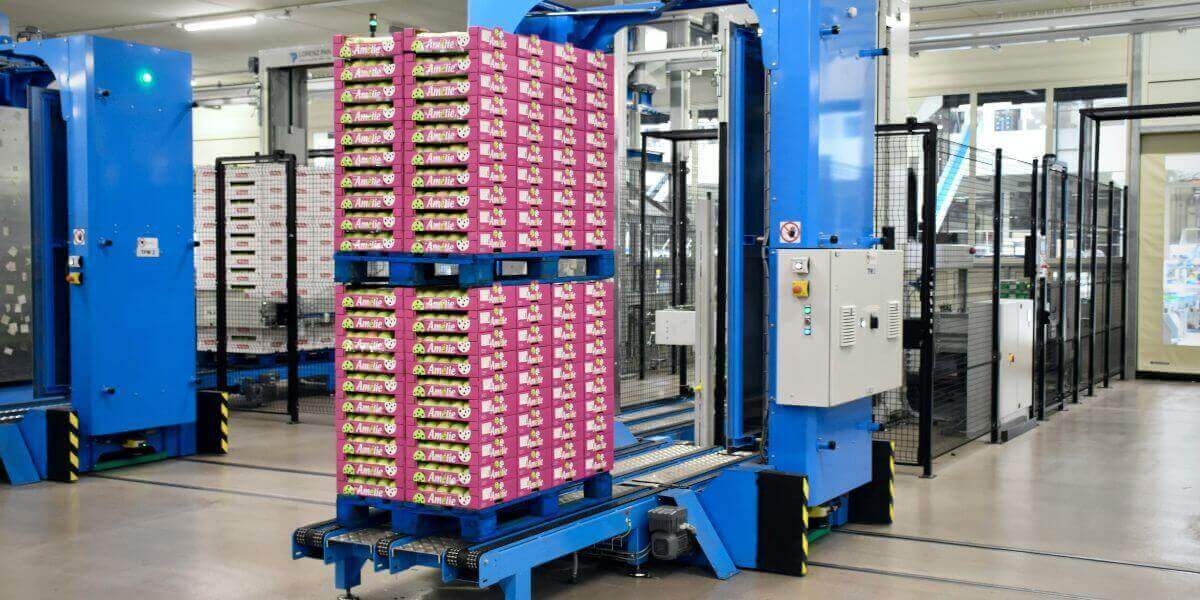
Digital platforms consolidate operational data, improving efficiency and productivity. Tools like warehouse management software or logistics dashboards show how systematic action produces measurable results. AI and automation reduce repetitive tasks, allowing teams to focus on strategy.
Benefits for Businesses
Benefits include sustainable growth, reduced costs, and better decision-making frameworks. Workflow management improves, while employees gain personal productivity benefits. Over time, this approach supports long-term value creation, giving companies a competitive edge.
Efficiency and Cost Reduction
Operations are optimized to reduce delays, cut errors, and save costs.
| Area | Traditional Logistics | New Approach | Improvement |
| Inventory | 10% error rate | 2% | +80% |
| Delivery | 7 days | 4 days | +43% |
| Cost | $1,000,000 | $750,000 | +25% |
Decision-Making and Resource Management
Frameworks analyze large data sets, enabling faster strategic choices. Adaptive thinking ensures sustainable growth.
Sustainable Growth
Efficiency is balanced with environmental responsibility. Practices benefit employees, customers, and the environment.
Key Components
A strong system relies on structured workflows, human-centered design, and flow optimization. Inventory, transportation, and human resources form the foundation.
Inventory and Warehouse Management
Digital solutions monitor stock in real-time, reducing errors and improving productivity. Scalable systems ensure faster and more accurate operations.
Transportation and Distribution
AI tools plan delivery routes efficiently, saving fuel and time. Data-driven frameworks reduce costs and ensure systematic action.
Human-Centered Planning
Processes are designed around employees and customers, integrating feedback and adaptive thinking to create lasting solutions.
Challenges
Implementing technology, training staff, and coordinating global operations require careful planning. Complexity management is key. Digital solutions must balance human-centered design to avoid errors.
Workforce Training
Employees must understand frameworks, adaptive thinking, and flow optimization. Proper training creates efficient teams.
Case Studies
E-commerce companies like Amazon use logisths principles to manage inventory and deliveries. In real estate and digital communities, Sofoximmo and Newtopy apply these concepts to manage properties, tenants, and workflows. More insights can be found on Forbes.
Future Trends
Predictive analytics and AI will transform operations, enabling real-time flow optimization. Sustainability remains central. Emerging careers include AI specialists, workflow analysts, and strategic planning consultants.
Conclusion
Logisths simplifies complexity with intelligent structure. From digital solutions to human-centered design, it provides flow optimization, decision-making frameworks, and sustainable strategies. Adopting this approach improves productivity, operational efficiency, and long-term value creation.
Explore tools at GoTechanic and trends at Logistics Management.
FAQs:
- What exactly does logistics do?
Logistics manages the planning, movement, and storage of goods, services, and information from origin to destination efficiently. - What are the 4 types of logistics?
The four types are Inbound, Outbound, Reverse, and Third-Party (3PL) logistics. - What is your logistics meaning?
Logistics is the process of organizing and controlling the flow of goods, information, and resources. - What is meant by logistic services?
Logistic services provide transportation, warehousing, inventory management, and distribution solutions to businesses. - What are the top 5 logistics service providers?
Top providers include DHL, FedEx, UPS, DB Schenker, and Kuehne + Nagel.