
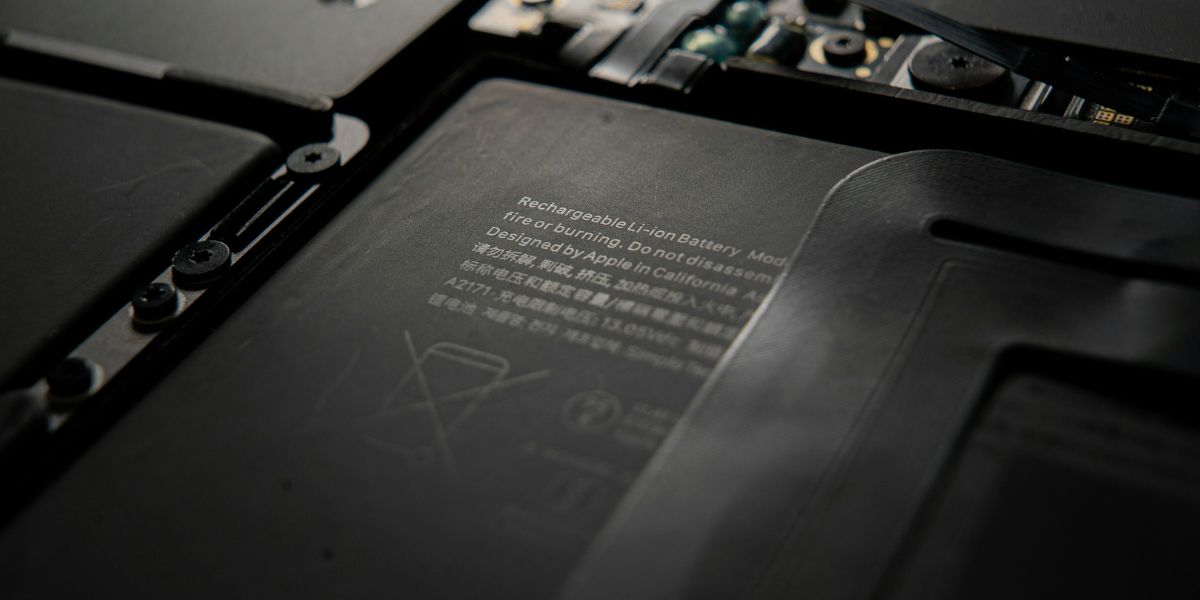
Lithium elem is more than just a chemical on the periodic table; it’s the powerhouse behind the technology that shapes our daily lives. From lithium-ion batteries in smartphones to electric vehicle batteries that drive America’s shift toward clean energy, this lightweight yet powerful alkali metal quietly powers innovation. Its unique lithium properties, including high electrochemical potential and rapid energy storage, make it indispensable for modern energy solutions, scientific research, and industrial applications.
Despite its small size, Lithium elem carries a massive impact, influencing everything from advanced electronics to sustainable energy systems. Understanding its lithium applications reveals why this element is in such high demand, making it a true cornerstone of the future.
Understanding Lithium Elem
At its core, Lithium elem belongs to the alkali metals family. These elements react easily and never appear alone in nature. What makes lithium special is its size and speed. It moves electrons with ease, which helps devices charge faster. That trait gives lithium a strong edge over heavier metals.
Think of Lithium elem as a featherweight boxer. It is small, fast, and surprisingly strong. Among all metals, it stands out as the lightest metal known. This quality allows engineers to design lighter batteries and smarter tools without sacrificing performance.
What Is Lithium Elem?
In science terms, Lithium elem is a periodic table element with atomic number 3 and symbol Li. It sits near the top of the periodic table, which explains its high reactivity. Because it has only one outer electron, it bonds easily with other elements.
This lithium metal looks soft and silvery when freshly cut. However, exposure to air dulls it quickly. Its low weight and fast reactions explain why the Lithium elem plays such a big role in modern lithium applications.
Chemical and Physical Properties of Lithium Elem
The lithium chemical properties define how it behaves. Lithium reacts with water, creating heat and gas. This reaction leads to lithium hydroxide formation, a compound used in many industries. Its strong electrochemical potential makes it ideal for energy storage.
When you look at lithium physical properties, you see why engineers love it. It has low density, high reactivity, and excellent charge transfer ability. These traits support high energy density and long battery life, especially in rechargeable batteries.
| Property | Value |
| Atomic Number | atomic number 3 |
| Symbol | symbol Li |
| Density | Very low |
| Reactivity | Extremely high |
| Metal Type | alkali metals |
Discovery and History of Lithium Elem
Scientists discovered Lithium elem in 1817 while studying minerals. Early chemists noticed its unique flame color and unusual reactions. At first, it stayed inside labs with limited use.
Over time, researchers unlocked its value. During the 20th century, Lithium elem became important for aircraft alloys and medical studies. Today, it stands at the center of clean energy and electronics growth across the USA.
Natural Sources, Mining, and Processing of Lithium Elem
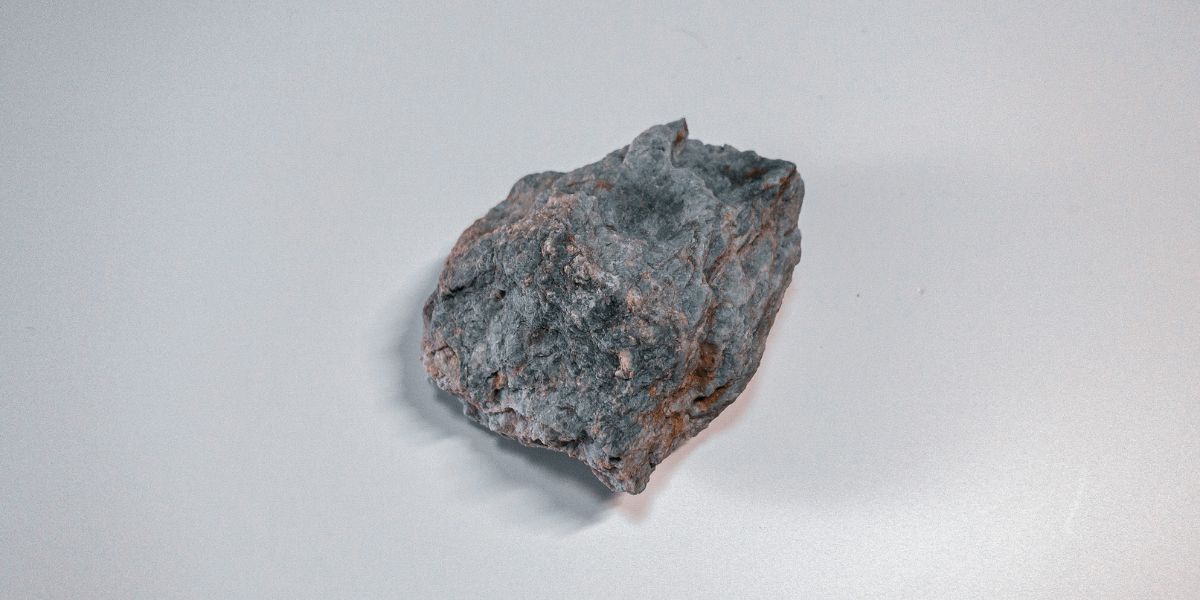
You will not find pure Lithium elem in nature. Instead, it hides inside rocks and salty waters. Major sources include spodumene mineral and petalite ore, often mined in open pits.
The lithium production process involves crushing ore, heating it, and then lithium refining. Some methods use electrolysis of lithium salts to extract pure lithium. This careful process supports growing lithium mining operations worldwide.
Lithium Elem in Energy and Power Sources
Energy storage depends heavily on Lithium elem. Most modern devices rely on lithium in batteries because lithium holds charge longer and weighs less. This advantage supports phones, laptops, and home power backups.
In larger systems, Lithium elem drives energy storage systems and electric vehicle batteries. Advanced designs like the lithium iron phosphate battery offer better thermal stability, improving safety and lifespan.
For deeper technical insights, you can explore battery chemistry research at the Department of Energy.
Industrial Uses of Lithium Elem
Beyond batteries, Lithium elem supports many industries. Manufacturers use lithium alloys to reduce weight in aerospace parts. Factories rely on lithium compounds for heat-resistant glass and ceramics.
Grease makers value lithium because it resists heat and moisture. These lithium uses help machines run smoothly under stress. As industries modernize, demand for lithium applications continues to expand.
Lithium Elem in Health and Biological Research
Researchers study Lithium elem for its biological effects. Low doses appear naturally in water and food. In medicine, lithium carbonate in medicine plays a key role.
Doctors have used lithium for decades in bipolar disorder treatment. Studies show that controlled amounts support mood stability. Ongoing research explores how trace lithium may affect brain health and aging. You can read verified medical studies at NCBI.
Environmental Impact and Sustainability of Lithium Elem
Mining Lithium elem raises environmental concerns. Water use remains a major issue in dry regions. Responsible lithium mining now focuses on recycling and cleaner extraction methods.
Recycling old batteries helps reduce waste. New technologies aim to lower emissions during lithium refining. Sustainable practices will decide how long lithium remains a clean energy solution.
Future Outlook of Lithium Elem in Global Technology
The future of the Lithium elem looks strong. Electric vehicles, renewable energy, and smart devices all depend on it. As technology evolves, scientists seek better battery designs with longer life.
In the USA, innovation drives supply chains forward. Companies invest in domestic production to reduce imports. If trends continue, Lithium elem will remain central to global progress.
For insights into automotive technology and energy systems, visit GoTechanic.
FAQs:
What is elemental lithium used for?
Elemental lithium is used in lithium-ion batteries, aerospace alloys, heat-resistant glass, and as a component in lithium compounds for industrial and medical applications.
Is Energizer lithium better than Duracell?
Both perform well, but Energizer lithium batteries often last longer in extreme temperatures, while Duracell excels in standard household devices.
What is a lithium element?
Lithium is a lightweight metal with atomic number 3 and symbol Li, known for high reactivity and use in batteries and alloys.
Is lithium element safe?
Elemental lithium is highly reactive and must be handled carefully, but lithium compounds in batteries or medicine are generally safe when used properly.
What is the biggest side effect of lithium?
The most significant side effect of lithium in medicine is kidney and thyroid problems, especially with long-term use.