
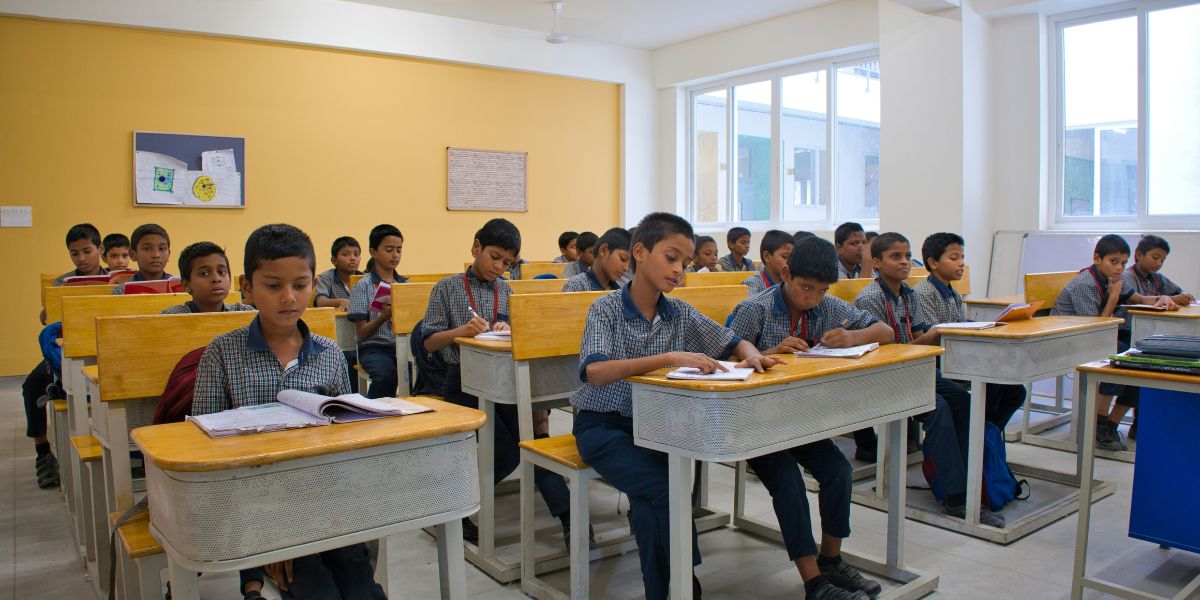
Critical Thinking Exercises are becoming essential for kids’ learning as the world grows more complex and information-heavy. Parents and teachers want children who can question ideas, spot patterns, and make thoughtful choices. With the right guidance, kids begin to build critical thinking skills for children, explore fun thinking activities, and develop early confidence.
These early habits shape how children understand problems, communicate their thoughts, and handle challenges with courage. When young minds engage with simple challenges, puzzles, and real-life questions, they strengthen thinking routines for kids and stretch their imagination. Each small step builds deeper curiosity, sharper judgment, and a natural desire to explore the world with purpose every day.
Critical Thinking Exercises: What They Are and Why They Matter
Critical thinking exercises help kids look deeper at ideas instead of accepting things at face value. These tasks push them to ask questions, test answers, and use analytical thinking to understand how the world works. Children learn to evaluate information, avoid errors, and grow into independent thinkers. When kids use open-ended questions and explore new ideas, they form stronger brain pathways that support long-term child cognitive development.
These exercises also strengthen critical thinking for kids by giving them a safe space to make decisions, try again, and improve their problem-solving skills. Kids feel more confident when they understand the “why” behind things. According to research from Harvard’s Project Zero, thinking routines help children develop clarity, reasoning, and confidence at a young age.
Benefits of Critical Thinking Exercises for Kids
When children engage in critical thinking activities, they improve their ability to analyze information, recognize patterns, and make wiser decisions. These skills help with schoolwork, friendships, and emotional growth because children learn to think before reacting. Better thinking leads to smoother communication, stronger focus, and improved creativity.
These exercises also help kids handle new situations with greater confidence. When a child can evaluate evidence, compare ideas, and use logical thinking, everyday challenges feel easier. Over time, these habits create strong independent learners who approach knowledge with curiosity and courage.
How Critical Thinking Exercises Help Build the Four Cs
The Four Cs—communication skills, collaboration skills, creative thinking, and critical thinking—are essential for modern learning. Exercises that build these skills help kids share ideas clearly, work with others, and find new ways to understand problems. Kids learn to challenge assumptions and think beyond simple answers.
These habits help students succeed not only in school but also in life. The Four Cs support teamwork, innovation, and flexibility, which future employers value highly. When kids practice these abilities early, they grow into confident thinkers who solve problems with patience and insight.
Age-Based Critical Thinking Exercises for Kids
Every age group uses critical thinking exercises differently. Preschoolers need preschool thinking activities that spark curiosity, like exploring textures or sorting objects. Elementary children benefit from elementary thinking skills such as comparing and contrasting or asking “why” questions.
Middle schoolers grow stronger with middle school critical thinking routines that challenge them to evaluate evidence, form opinions, or break down arguments. Each age group builds essential thinking skills step by step.
Simple Critical Thinking Exercises to Build Daily Thinking Skills
Daily exercises help develop strong mental habits. Kids can practice pattern recognition for kids, sorting tasks, or short reflection moments about choices they made during the day. Small activities like choosing between snacks or planning a simple task help strengthen decision-making skills.
Parents and teachers can guide children through fact vs opinion activities that teach them to separate emotions from real information. Simple comparisons, predictions, and observations help kids form reasoning skills without pressure.
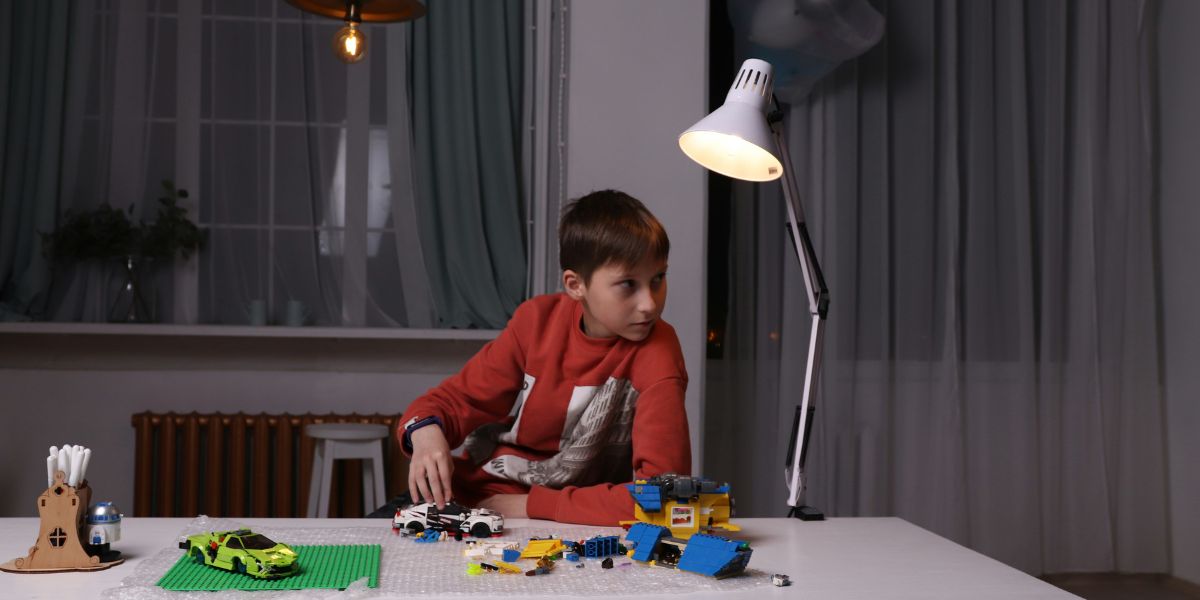
Practical Critical Thinking Exercises Every Parent and Teacher Can Use
Parents and educators can apply critical thinking activities in long or short learning moments. For example, asking critical thinking questions for kids during meals helps kids express ideas clearly. Teachers can use thinking routines for kids by encouraging them to pause, predict, reflect, and rethink.
Children grow stronger when they talk through their thoughts, explain choices, and identify what information helped them decide. With consistent practice, their critical thinking development becomes a natural part of daily life.
Fun Critical Thinking Games to Boost Creativity and Problem Solving
Kids love games, and critical thinking games for kids make learning exciting. Activities like puzzles, riddles, or the spot the fallacy game challenge children to think beyond the obvious. These playful moments strengthen kids’ problem-solving activities and teach them to detect errors in information.
Games like comparing clues, solving brain puzzles, or decoding hidden messages increase brain teasers abilities. They also build communication skills because children love sharing their discoveries with others.
How Story-Based Learning Boosts Critical Thinking Skills
Stories activate imagination, memory, and reasoning. Story-based learning helps children explore motives, examine choices, and understand cause and effect. When kids retell a story or change the ending, they practice creative thinking and evaluate evidence within the narrative.
Educators often use stories in educational activities for children because they connect emotions and ideas. A strong story encourages curiosity, empathy, and flexible thinking, which makes learning feel natural and engaging.
Typical Errors in Critical Thinking and How to Prevent Them
Kids often fall into common traps like making fast assumptions or trusting the first answer they see. Activities that highlight logical fallacies and cognitive biases teach children to slow down and double-check their thoughts. Understanding mistakes helps them build stronger thinking habits.
Parents and teachers can guide children through gentle correction by asking questions like “What else could be true?” or “How do you know that’s correct?” These simple strategies help kids use analytical thinking with confidence.
How to Make Critical Thinking Exercises Part of Everyday Life
Parents can weave critical thinking exercises into daily routines without making learning feel stressful. Everyday moments like grocery shopping or planning a small activity help kids compare choices, count items, and evaluate what matters most. These tasks develop stronger thinking skills for students.
Small conversations at home teach children how to explain opinions, consider new ideas, and adjust choices. When kids practice these habits daily, they grow more flexible and confident in facing challenges.
Building a Critical Thinking Exercises Toolkit for Long-Term Growth
A home or classroom toolkit can include games, books, puzzles, and activities that support hands-on learning for kids. Parents can include maps, logic cards, picture comparison sheets, and debate prompts for debate activities for kids. Each tool helps children grow sharp reasoning skills.
Below is a simple example of a toolkit table:
| Tool Type | Purpose | Example |
| Thinking Games | Build logic | Riddles and compare and contrast activities |
| Story Tools | Boost imagination | Story starters |
| Logic Cards | Teach reasoning | Spot-the-error challenges |
Families can explore more resources through trusted learning sources like Understood.org, which offers helpful guidance for children’s development.
Final Thoughts on Raising Strong, Independent Thinkers
Raising strong thinkers takes patience, practice, and consistent exposure to meaningful critical thinking exercises. When kids learn to reason, analyze, and create ideas freely, they become confident individuals ready for future success. These skills guide their choices in school, friendships, and life.
If you want more tools and guides to support your child’s development, visit GoTechanic, where you’ll find helpful resources and updates for families and educators.
FAQs:
How do you practice critical thinking?
You practice critical thinking by asking questions, analyzing information, and reflecting on different viewpoints before making decisions.
What are the 4 C’s of critical thinking?
Critical thinking, communication, teamwork, and creativity are the four Cs.
What are the 5 steps to critical thinking?
The five steps are: identify the problem, gather information, evaluate evidence, consider options, and make a reasoned conclusion.
What is the best game to improve critical thinking?
Chess is one of the best games because it strengthens strategy, planning, and logical reasoning.
What are the 7 steps to critical thinking?
The seven steps are: identify, research, analyze, interpret, evaluate, decide, and reflect.